Research Compounds · 4 min read
Peptides vs. Research Compounds: What's the Difference?
Not every item in a research catalog is a peptide. A short guide to the chemical categories in the Steel catalog.
What makes a peptide
A peptide is a chain of amino acids linked by peptide (amide) bonds. Short chains — from two to roughly fifty residues — are generally called peptides; longer chains are typically called proteins.
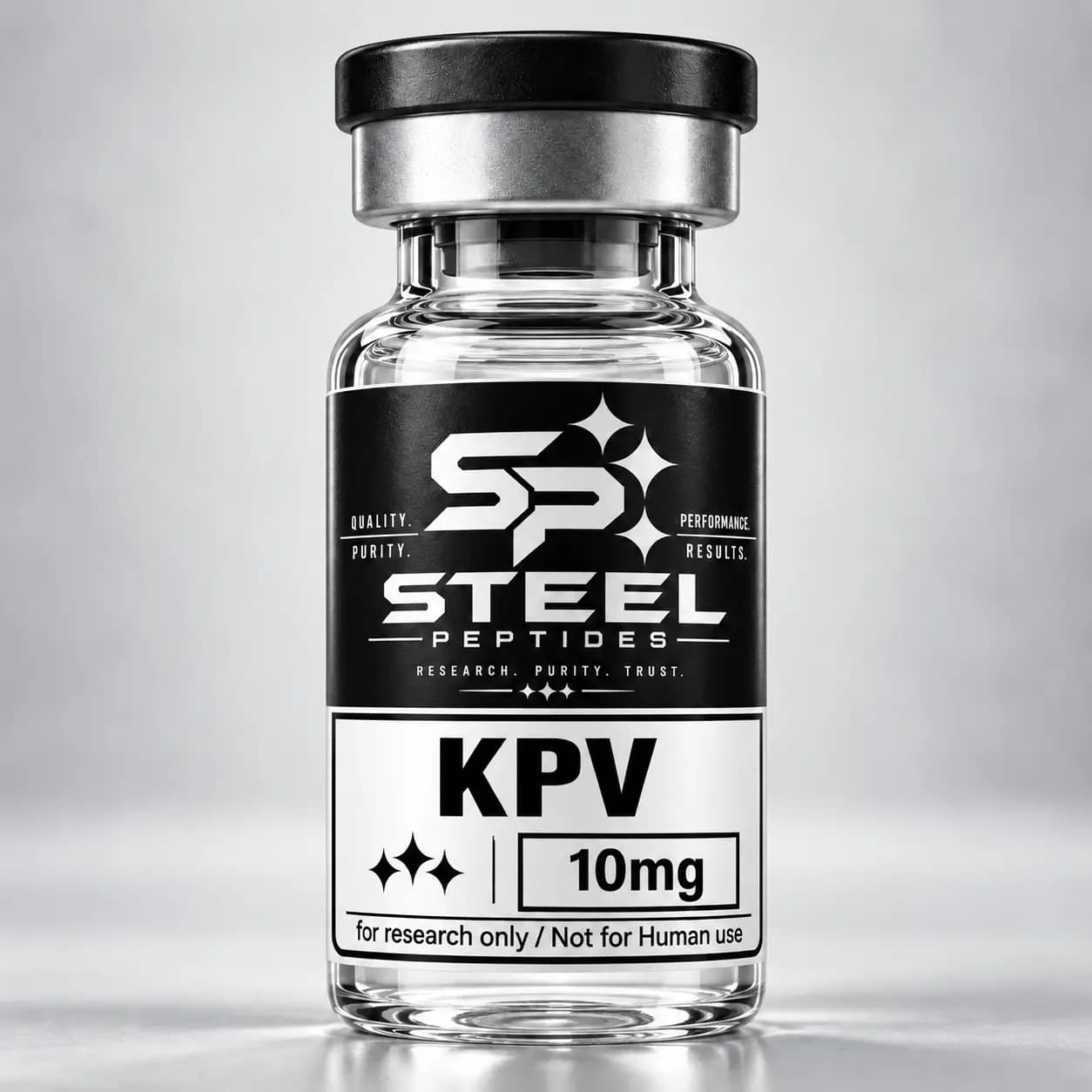
Within the catalog, peptides range from a tripeptide such as KPV (Lys–Pro–Val) to much longer synthetic peptides used in receptor-signaling research.
Peptide complexes
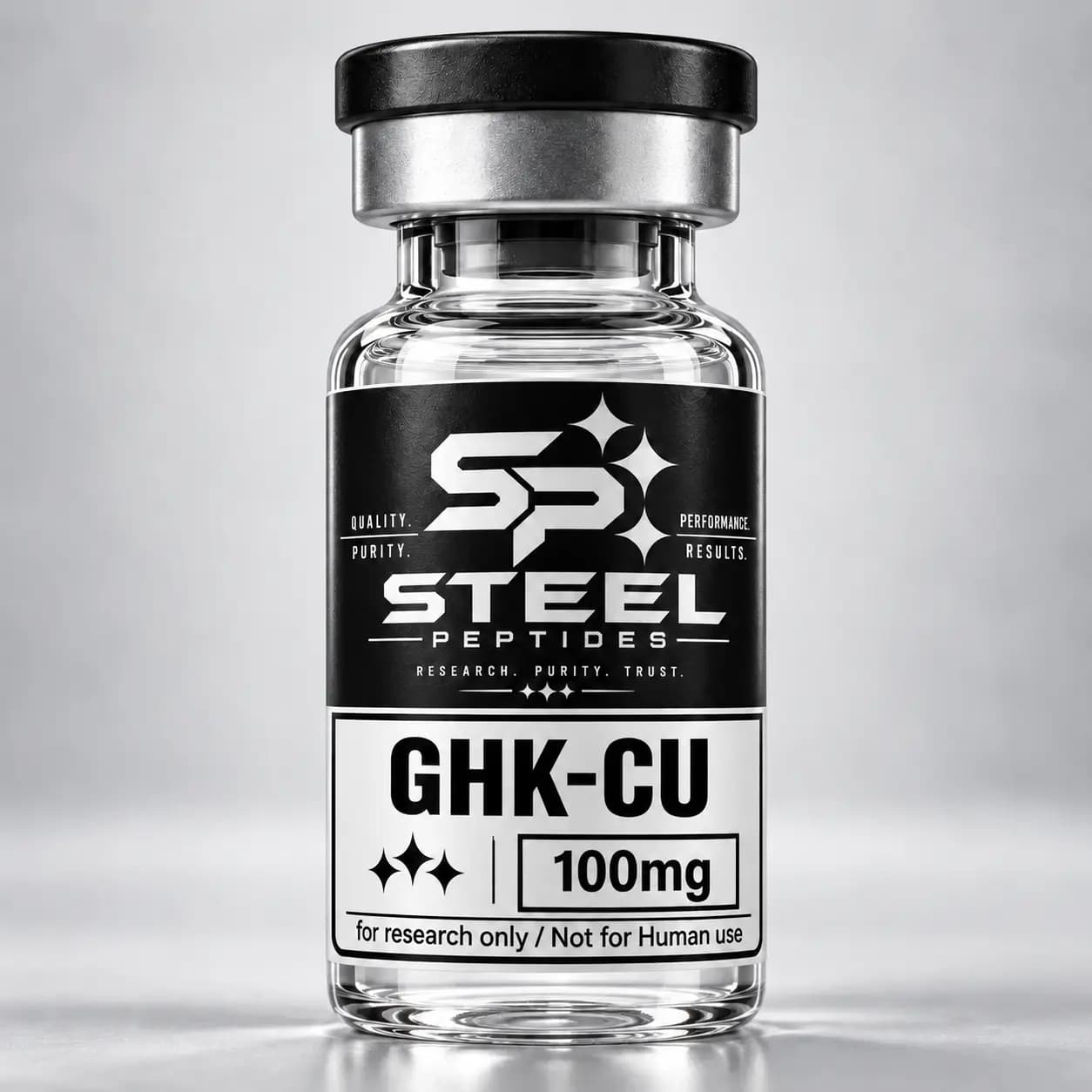
Some materials are peptides bound to another species. GHK-Cu, for example, is the copper(II) complex of the tripeptide Gly–His–Lys. Its identity depends on both the peptide and the bound metal.
Non-peptide research compounds
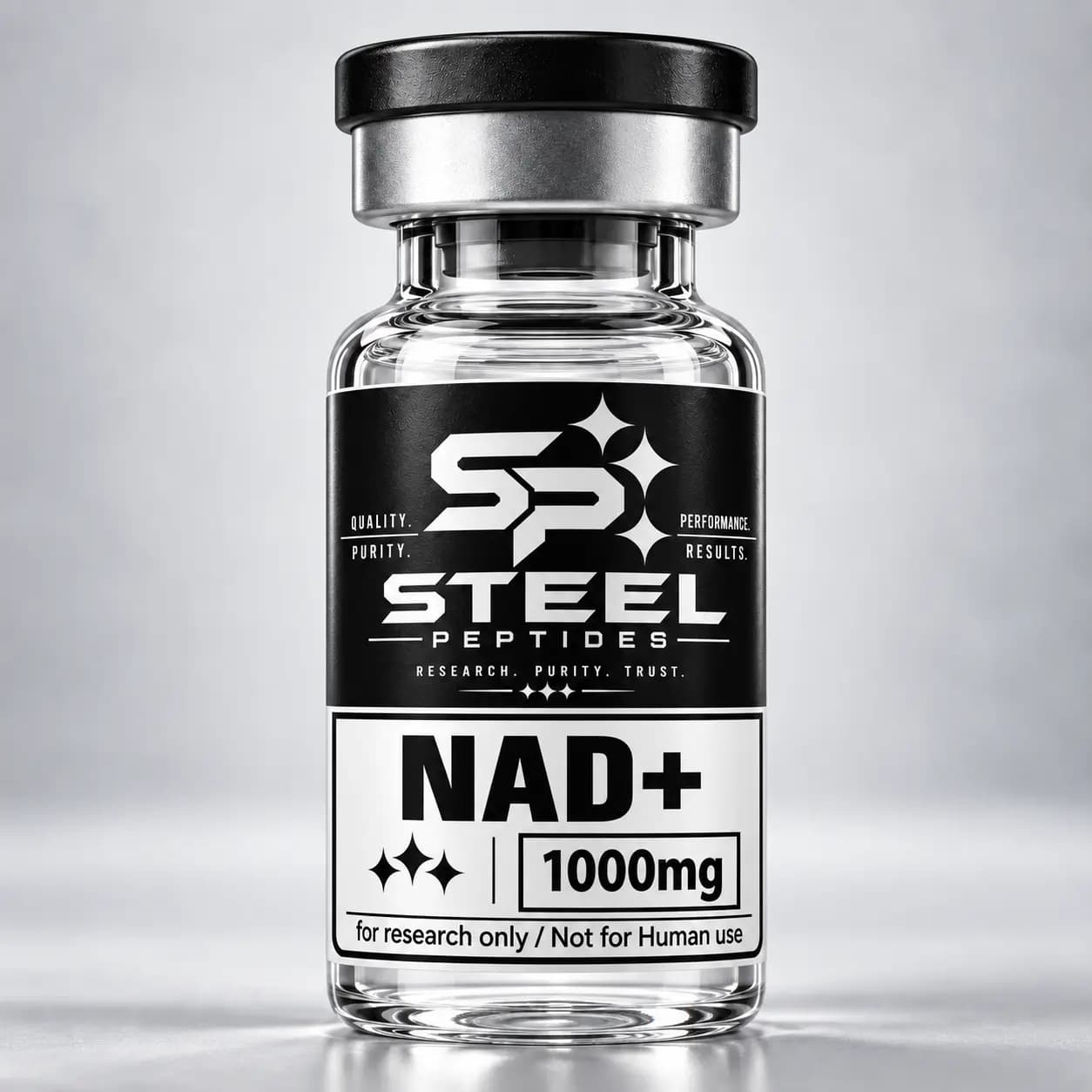
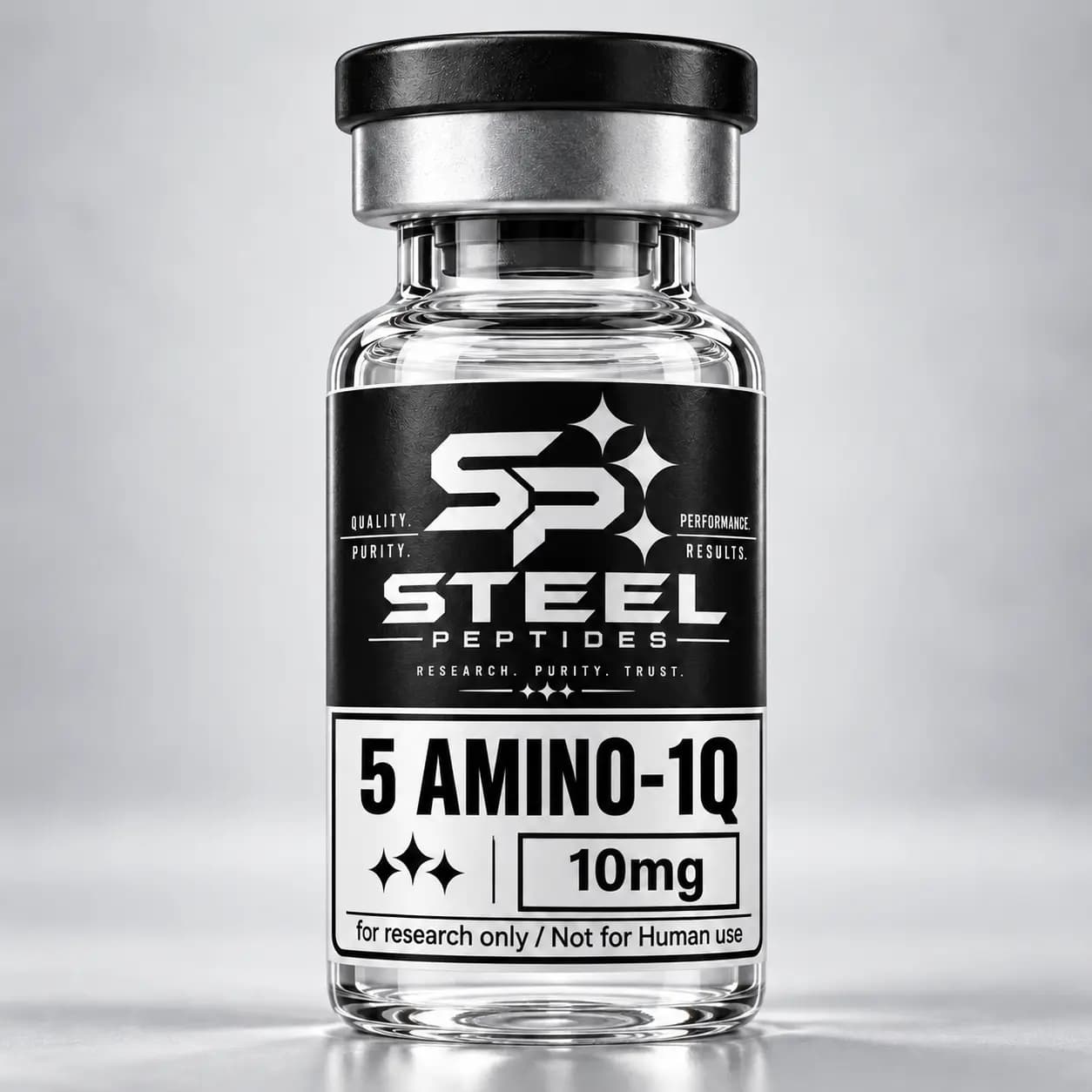
NAD+ (nicotinamide adenine dinucleotide) is a coenzyme — a dinucleotide, not an amino-acid chain. 5-Amino-1MQ (5-amino-1-methylquinolinium) is a small molecule. Both are listed under Research Compounds rather than Peptides.
Why we label it this way
Clear categories make it easy to find the right material and to know exactly what is in the vial you order.
Educational content for compound identification and research context only. Not medical advice. See the Research Use Disclaimer.